Decoding the Mechanics of Reward Triggers in UK Mobile Gaming Progression
Morgan Peters · Nov 21, 2026
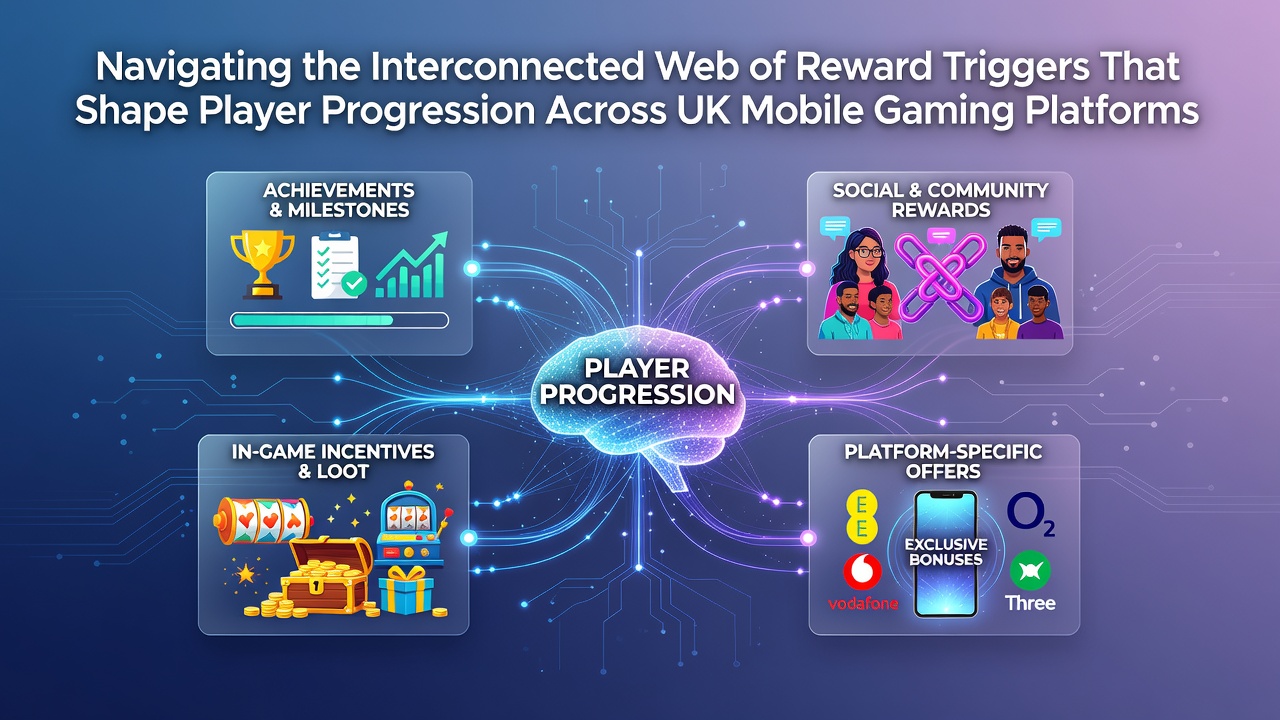
Decoding the Mechanics of Reward Triggers in UK Mobile Gaming Progression
UK mobile gaming platforms rely on layered reward structures that connect daily logins, level completions, and social interactions to guide how players advance through content, and these systems draw from behavioral data collected across millions of sessions each month. Developers integrate point multipliers, streak bonuses, and tiered challenges that activate simultaneously, creating pathways where one completed action unlocks multiple subsequent opportunities for progression. Data from industry reports indicate that such interconnected triggers maintain engagement rates above 65 percent for active users who return within 48 hours of initial sessions.
Platforms operating in the UK segment their user bases by play patterns observed in November 2026, allowing algorithms to adjust reward frequency based on time spent in specific genres like puzzle or strategy titles. Researchers at academic institutions have documented how variable reward schedules, modeled after established psychological principles, prompt repeated interactions without requiring constant new content releases. One study published by a Canadian research consortium revealed that players exposed to synchronized triggers advanced through 30 percent more levels compared to those receiving isolated rewards.
Core Components of Reward Interconnections
Daily missions feed into weekly leaderboards while also contributing toward seasonal events, and this chaining effect means a single login can accumulate value across three or four separate systems at once. Mobile developers program these overlaps using backend tools that track real-time progress, then surface notifications timed to coincide with peak user activity periods identified through aggregated analytics. Figures from the European Mobile Gaming Federation show that platforms employing at least five linked trigger types report average session lengths extending by 4.2 minutes over simpler implementations.
Progression often hinges on resource currencies earned through one activity that convert into advantages in another, such as energy packs from social shares becoming entry tickets for competitive modes. Observers note that these conversions happen automatically in many applications, reducing friction and encouraging players to explore adjacent features they might otherwise overlook. In practice, titles released after mid-2025 increasingly embed cross-feature dependencies that reward consistent participation rather than isolated high scores.
Regional Patterns and Platform Adaptations
UK-based studios frequently collaborate with international partners to refine trigger timing, incorporating insights from markets where regulatory environments differ, and this cross-pollination appears in updates rolled out during late 2026. For instance, certain puzzle applications now link achievement badges earned on one device to cloud-synced progress visible on tablets, maintaining continuity across hardware. Data compiled by an Australian academic team indicates that seamless multi-device integration correlates with a 22 percent rise in monthly active users for games that implement it effectively.
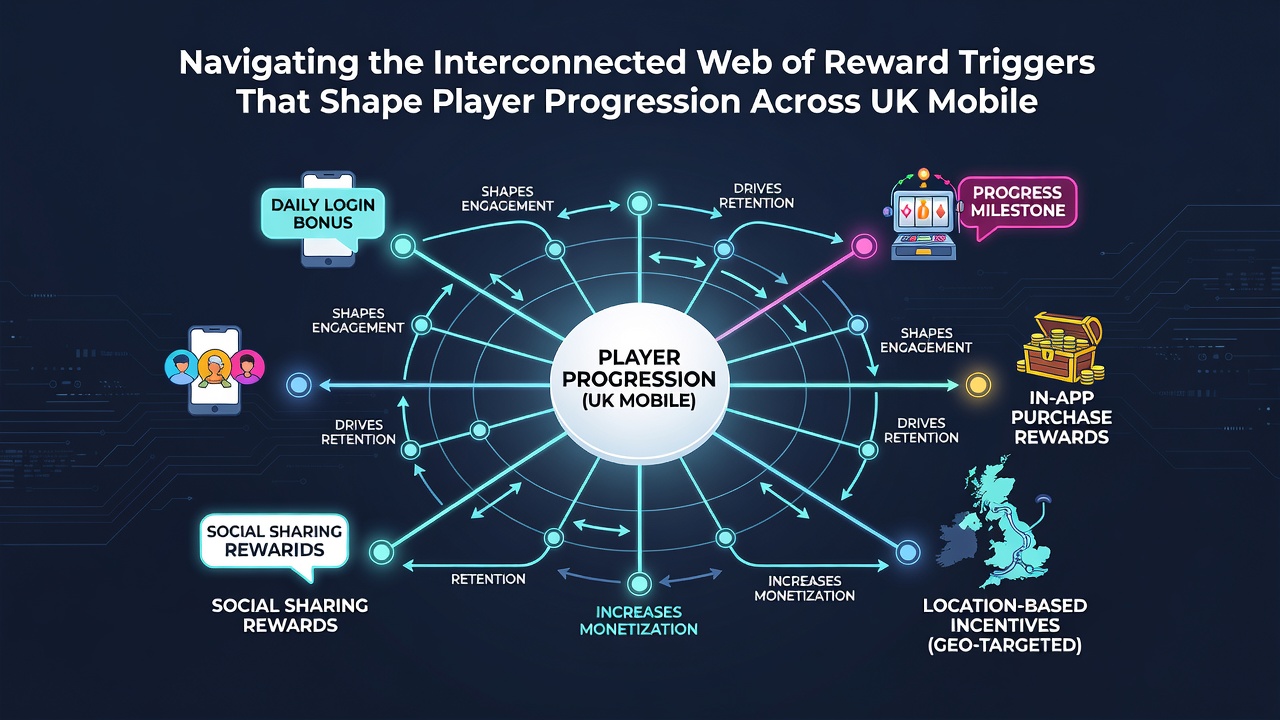
Seasonal events in November 2026 introduced temporary overlays that amplified existing triggers, such as double-point windows aligned with national holidays, yet retained core mechanics so returning players encountered familiar structures. Industry analysts tracking these events report that participation spikes occur when new layers build directly upon established loops rather than replacing them. Those who've examined retention curves across multiple titles find that abrupt changes to trigger frequency tend to coincide with temporary dips in daily returns.
Measurement and Iteration Practices
Analytics teams monitor completion rates for each trigger type, then adjust thresholds using A/B testing frameworks that isolate variables like notification volume or reward magnitude. A report from the US National Institute on Media and the Family highlights how transparent progress visualizations, such as progress bars spanning multiple systems, increase perceived fairness and sustain longer-term involvement. Developers apply these findings by refining interfaces that display cumulative benefits from interconnected actions in a single dashboard view.
Testing protocols also examine edge cases where overlapping triggers might create unintended acceleration paths, prompting code updates that balance accessibility with sustained challenge. Platforms that publish post-update metrics show measurable shifts in progression speed, with some genres favoring slower accumulation to extend content lifespan while others accelerate early stages to secure initial retention.
Conclusion
Interconnected reward triggers continue to define how players navigate UK mobile gaming platforms, linking micro-actions into broader advancement arcs supported by ongoing data analysis and cross-regional learning. Patterns observed through 2026 demonstrate that successful implementations prioritize cohesion across features, allowing natural progression to emerge from combined systems rather than isolated incentives. Continued refinement based on user behavior metrics suggests these networks will evolve further as platforms incorporate additional data streams and hardware capabilities.