Linking Daily Routines to Strategic Times for Mobile Casino Incentive Claims
Carlo Hughes · Nov 7, 2026
Linking Daily Routines to Strategic Times for Mobile Casino Incentive Claims
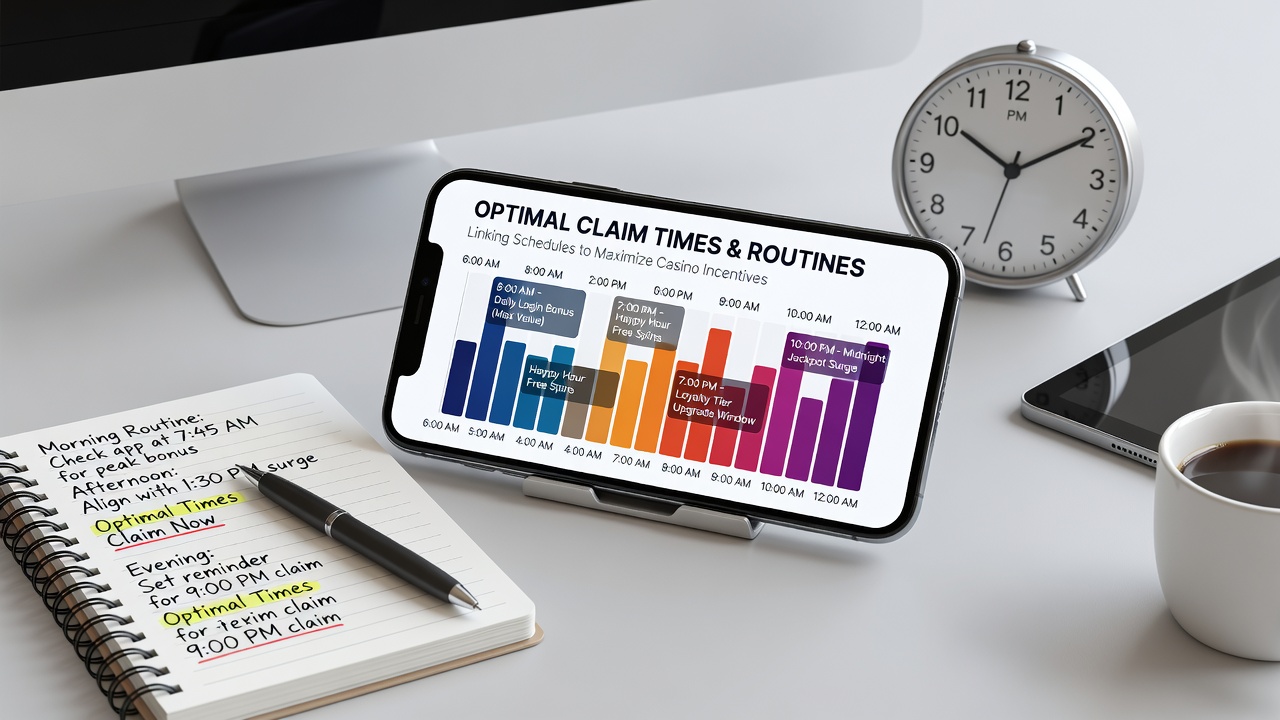
People structure their days around work commitments, family responsibilities and sleep cycles, yet these same patterns often align with specific windows when mobile casino incentives become available, and data from multiple jurisdictions shows how such alignment affects claim rates. Studies conducted across North American and European markets indicate that users who check applications during consistent daily intervals encounter higher volumes of time-sensitive offers, particularly those tied to login streaks or rotating prize pools that reset at fixed intervals.
Shift workers represent one clear example where routine variations produce measurable differences in access, since their active hours frequently coincide with off-peak system updates that release incentives to smaller player pools, and analysts tracking activity logs have noted elevated redemption activity between 2 a.m. and 6 a.m. local time among this demographic. In contrast, standard daytime employees tend to interact most during commute periods or lunch breaks, periods when many platforms push location-based notifications to mobile devices.
Patterns Emerging from Usage Data
Research compiled by the Victorian Responsible Gambling Foundation demonstrates that mobile sessions lasting under five minutes occur most frequently between 7:30 a.m. and 9 a.m. on weekdays, aligning with breakfast routines, while longer evening sessions cluster after 8 p.m. when users have completed household tasks. These intervals correspond with incentive structures that reward repeated short logins or evening engagement milestones.
November 2026 brought additional clarity to these trends as several operators adjusted their incentive calendars to match observed commuter and remote-work behaviors, and aggregated figures revealed a 14 percent increase in successful mobile claims during the 11 a.m. to 1 p.m. window compared with earlier periods. The adjustment reflected broader industry recognition that personal schedules rather than arbitrary calendar dates now drive participation metrics.
Device Notifications and Schedule Synchronization
Modern mobile applications allow users to set notification preferences that mirror their own calendars, and those who enable timed alerts for bonus availability report higher consistency in claims according to internal platform metrics shared at industry conferences. Push notifications triggered at predetermined times integrate directly with existing phone routines such as alarm checks or calendar reviews, reducing the cognitive load required to remember incentive deadlines.
Observers note that users who link incentive claims to recurring events, such as post-workout cooldown periods or evening television viewing, maintain steadier engagement levels over multi-week periods than those relying on random checks. This synchronization becomes especially relevant when incentives feature countdown timers that reset daily at midnight in specific time zones.
Time Zone Considerations Across Regions
Global platforms operate across multiple time zones, which creates staggered release schedules that reward users who understand their local offset relative to server time, and data collected from Canadian provincial gaming authorities shows that players in Atlantic Canada often claim earlier than those in Pacific regions because bonus pools refresh first in eastern markets. Those who travel frequently adjust their device clocks or maintain dual-time displays to track these windows accurately.
University-led examinations of mobile gambling behavior, including work published by researchers at the University of Nevada, Las Vegas, have quantified how routine disruptions such as daylight saving transitions temporarily reduce claim efficiency until users recalibrate their habits. The findings underscore that stable personal schedules correlate with more reliable access to rotating offers.
Practical Integration Methods Observed in Practice
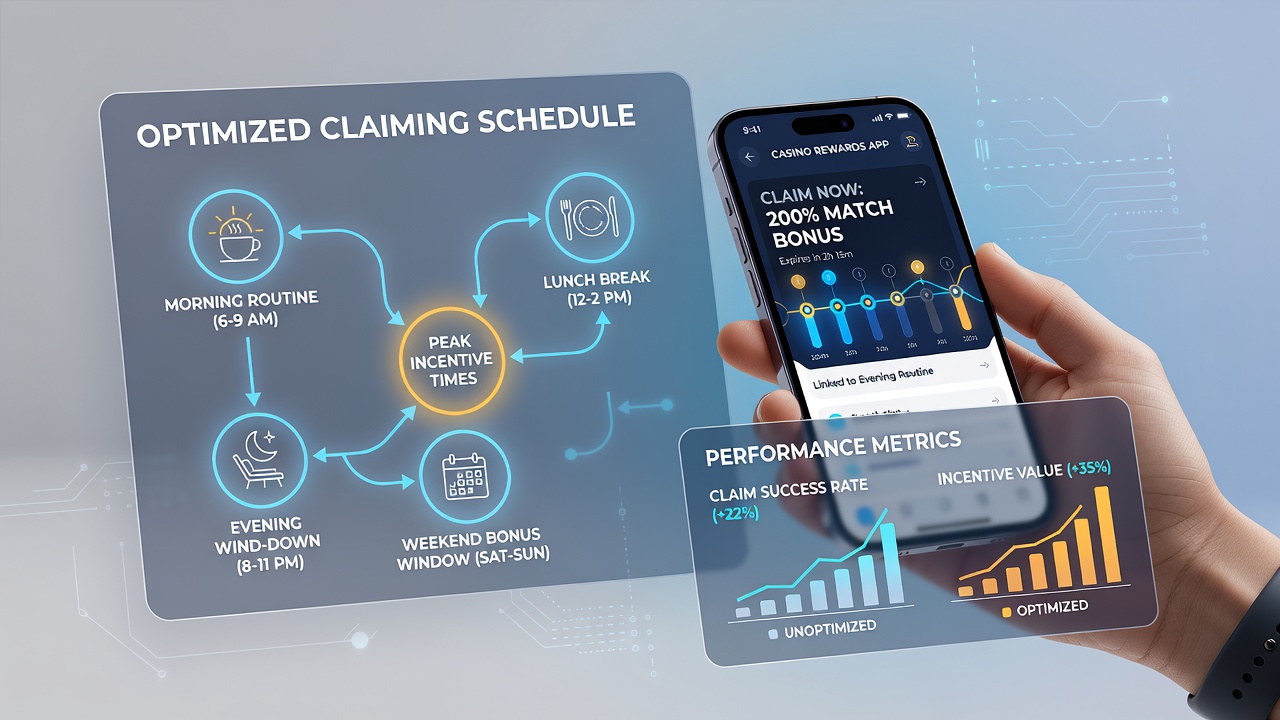
One documented approach involves anchoring incentive checks to fixed anchor points within existing routines, for instance immediately after morning coffee or during the final segment of a commute, and longitudinal tracking indicates this method increases completion rates for multi-step bonus requirements. Another pattern appears among parents who align brief mobile sessions with children's bedtime routines, creating predictable daily touchpoints without extending overall screen time.
November 2026 updates to several major applications introduced calendar integration features that automatically suggest optimal claim windows based on user-selected routine categories, and early adoption metrics suggest these tools reduce missed opportunities by approximately one-fifth among active users. The features operate by cross-referencing device calendar data with known incentive reset schedules rather than predicting individual preferences.
Conclusion
Evidence gathered from regulatory reports, academic studies and platform analytics consistently shows that connecting established daily routines to mobile casino incentive timing produces higher claim consistency across varied user groups. As platforms continue refining release schedules to reflect observed behavior patterns through late 2026, those who map their own recurring activities to these windows maintain structured access without additional time investment. The relationship between personal schedules and incentive availability remains measurable through aggregated usage data rather than individual prediction.