Mapping Sequential Incentive Pathways in Mobile Entertainment Ecosystems
Carlo Hughes · Oct 24, 2026
Mapping Sequential Incentive Pathways in Mobile Entertainment Ecosystems
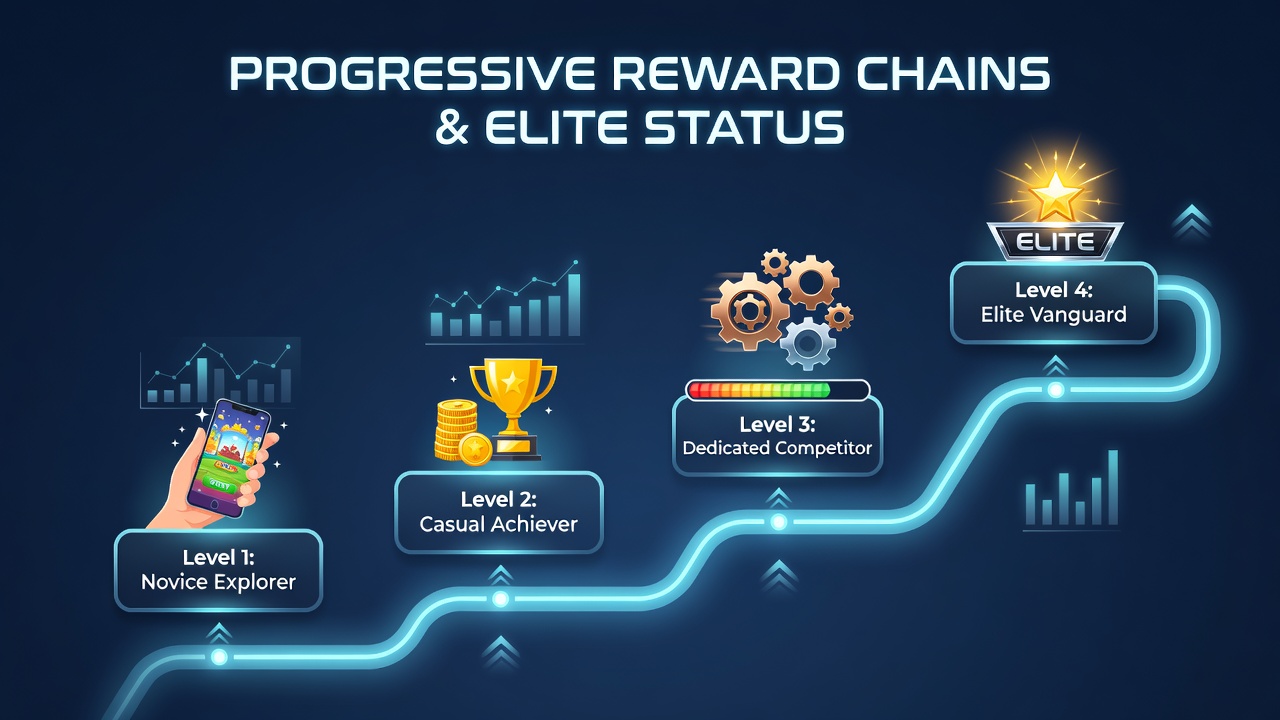
Progressive reward chains operate through structured point accumulation systems embedded within smartphone applications where users complete sequential tasks that unlock escalating benefits, and these mechanisms track activity across login streaks, in-app purchases, and gameplay milestones to determine tier advancement, according to industry analyses from the American Gaming Association. Players accumulate credits through consistent engagement patterns that feed into layered progression models, with each completed segment feeding data into the next phase while automated algorithms adjust thresholds based on aggregate user behavior across global markets.
Mechanics of Tiered Accumulation
Entry-level participants begin at base tiers where daily login rewards and basic challenge completions generate initial points that convert directly into credits or access privileges, yet advancement requires sustained patterns because systems enforce minimum activity windows that prevent rapid jumps without demonstrated commitment over multiple sessions. Observers note that mobile platforms integrate these chains with push notifications timed to user time zones, which encourages return visits and maintains momentum through the sequence, while data from regulatory filings in Nevada show average progression times spanning four to eight weeks for dedicated users who engage at least five times weekly.
Intermediate stages introduce compounded multipliers where points earned from previous tiers receive boosts when players complete bundled objectives such as achieving specific win rates combined with deposit volumes, and this creates branching paths because some chains allow optional detours into social features like leaderboards that award supplementary credits. Researchers have documented how these structures rely on backend databases that log every interaction timestamp, enabling precise calibration of difficulty curves so that elite thresholds remain attainable yet demanding for the majority of participants.
Progression to Premium Recognition
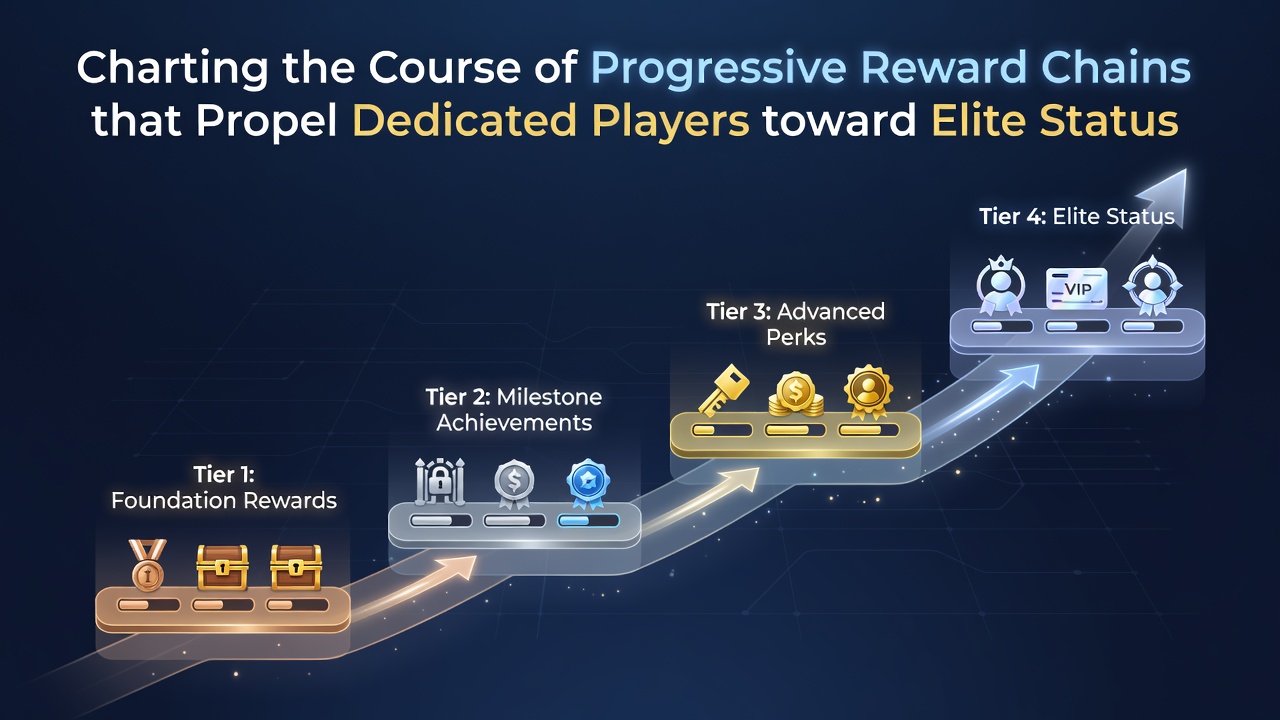
Elite status emerges once cumulative metrics surpass predefined benchmarks that incorporate total playtime, net spend, and retention duration, after which users receive personalized dashboards displaying remaining requirements alongside projected timelines calculated from historical averages. In October 2026 several platforms rolled out updated chain variants that incorporated cross-game portability, allowing points earned in one title to contribute toward status in partnered applications and thereby expanding the effective scope of any single reward sequence.
Those who've examined user datasets report that high-engagement cohorts often accelerate through final segments via targeted promotions released during peak hours, with benefits materializing as exclusive tournament entries and accelerated withdrawal processing that differentiate elite accounts from standard profiles. The process remains transparent in published terms yet opaque in algorithmic weighting, which factors variables like device type and session length into final calculations.
Regional Variations in Implementation
North American operators emphasize spend-linked chains that tie progression speed to deposit frequency, whereas European and Australian frameworks incorporate responsible play caps that pause accumulation during extended sessions according to guidelines from the Australian Communications and Media Authority. Canadian provincial regulators have introduced mandatory disclosure requirements for chain algorithms, compelling developers to publish simplified flowcharts that explain how each stage connects to the next without revealing proprietary formulas.
One case study from a major platform revealed that users who combined daily streaks with weekly high-score achievements reached elite tiers 35 percent faster than those relying solely on purchase volume, highlighting the value of diversified activity within the same reward architecture. Data compiled by academic teams at the University of Nevada, Las Vegas further indicates that retention rates climb measurably once participants cross the third tier, suggesting the chains function effectively as engagement anchors across diverse demographics.
Future Adjustments and Data Integration
Platforms continue refining these systems by incorporating machine learning models that predict optimal challenge difficulty for individual accounts, reducing dropout rates at mid-tier bottlenecks while preserving the sense of achievement that drives continued participation. External audits from independent research bodies confirm that transparency measures introduced in 2025 have increased user trust metrics without altering the underlying progression mathematics.
Conclusion
Sequential reward structures in smartphone entertainment continue evolving through incremental updates that balance accessibility with exclusivity, and their effectiveness rests on precise calibration of milestones that reward consistent patterns while maintaining challenge. Observers tracking October 2026 developments note ongoing integration of portability features and regional compliance adjustments that keep these chains aligned with shifting regulatory landscapes across multiple jurisdictions.